Factorem re-engineers obsolete components, reconstructs lost drawings, redesigns for modern manufacturing, and substitutes materials, turning problem parts into reliable, documented production components.
±0.05mm
Reverse-eng. accuracy
STEP + 2D
Deliverable format
5–10 days
Typical assessment
ISO 9001
Certified
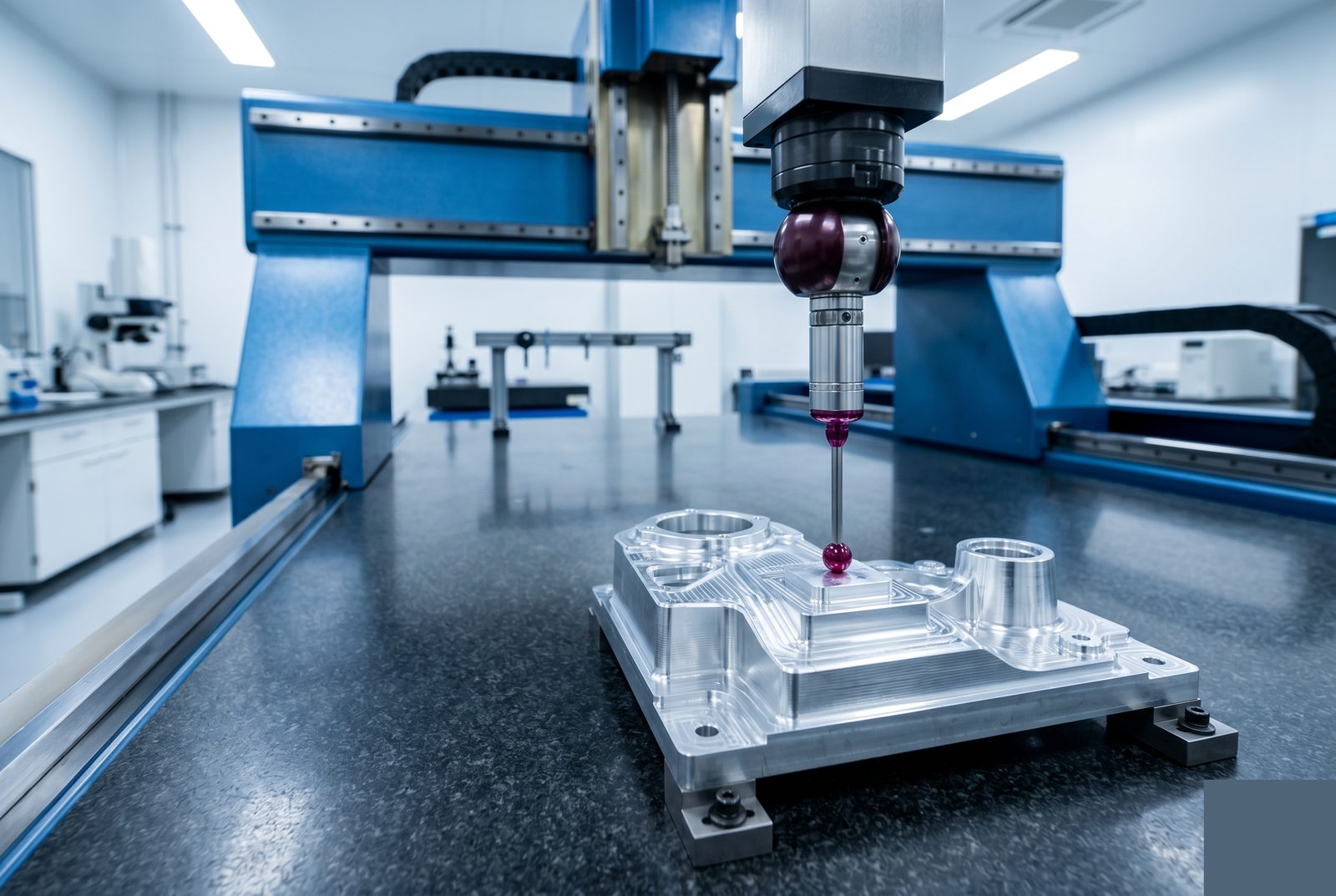
Re-engineering starts wherever your design data does. These are the most common approaches, but the scope is always tailored to what you have and what you need.
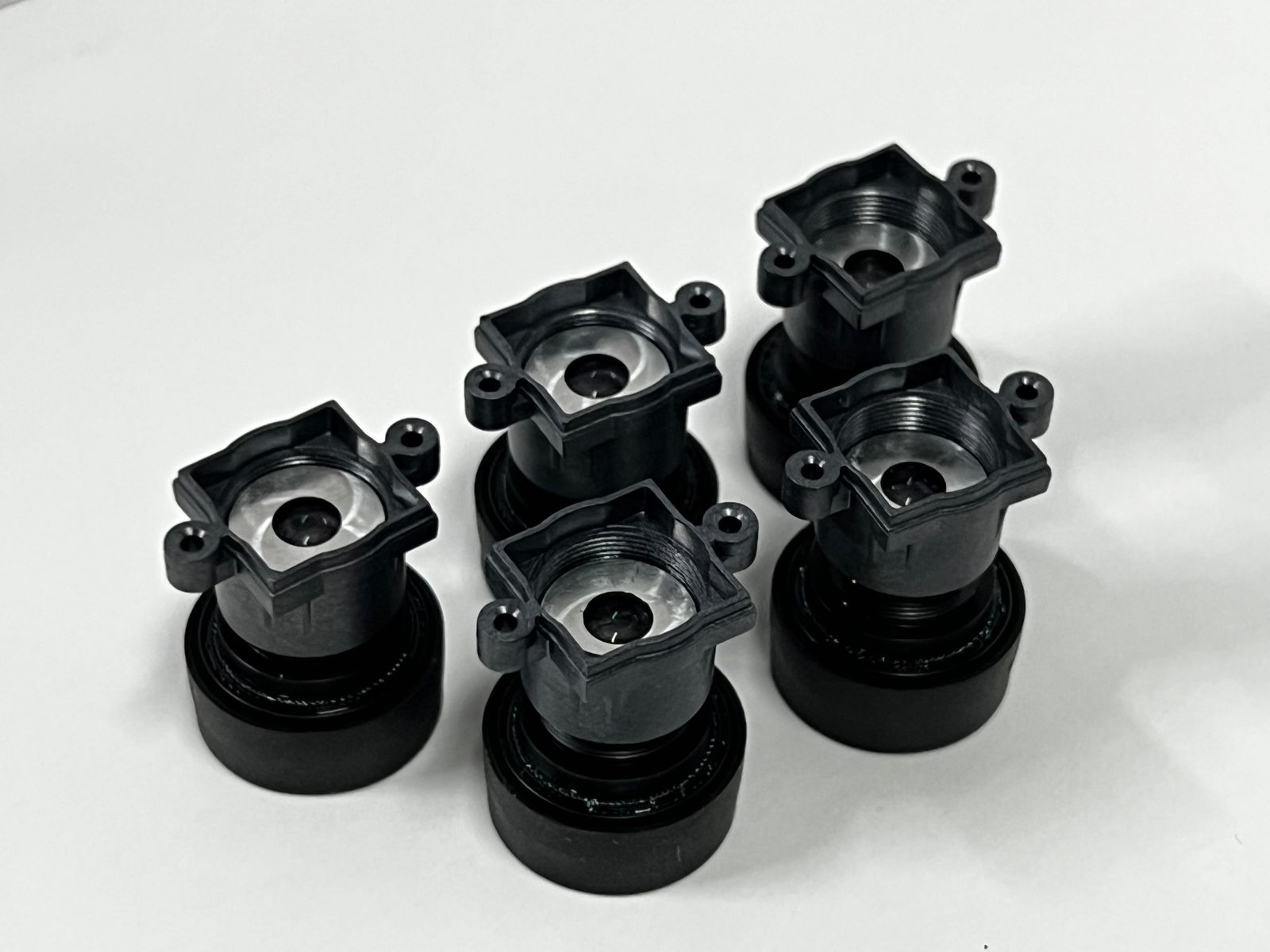
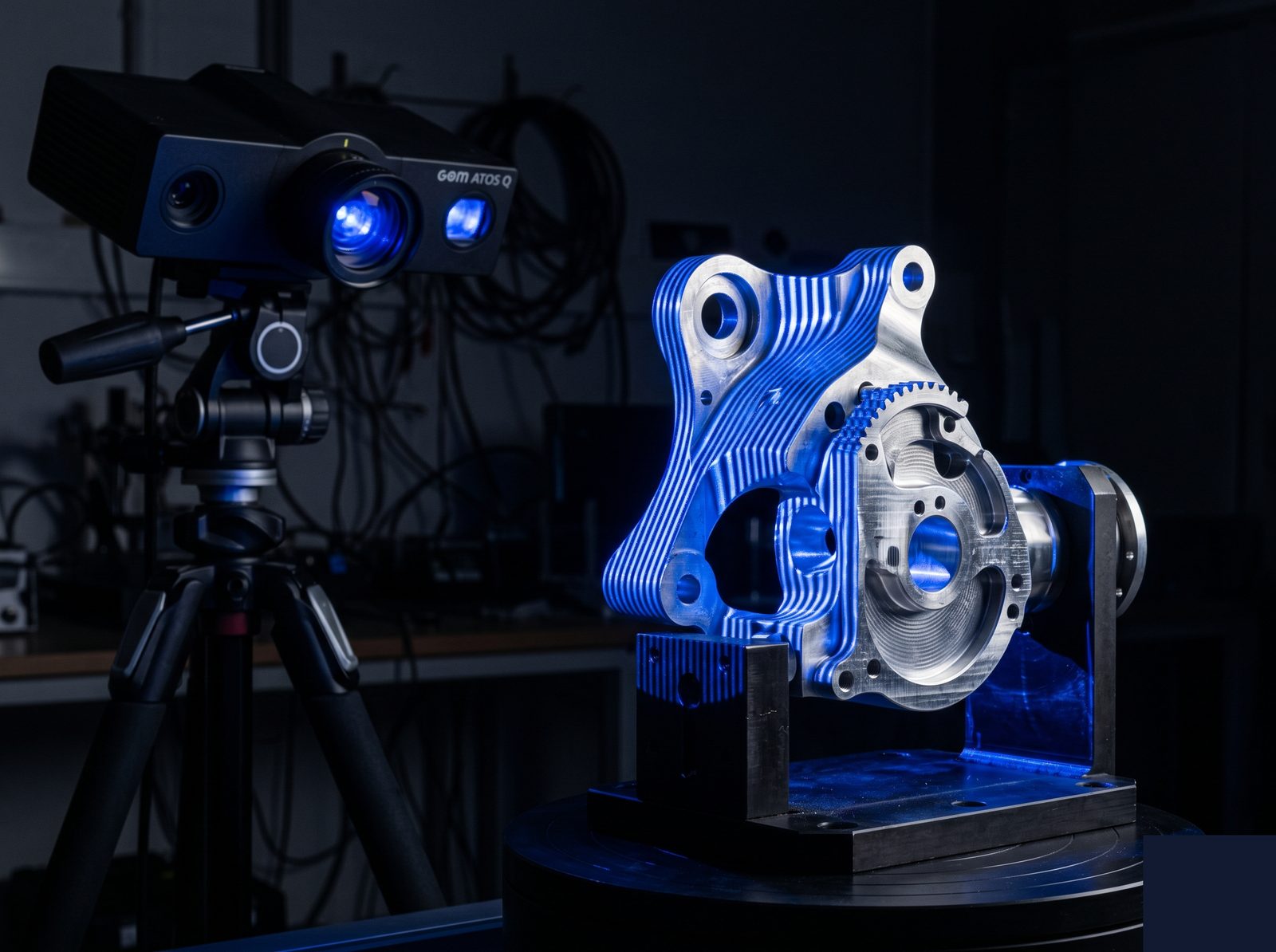
Starting from a physical sample, damaged part, or photo, our engineers reconstruct a manufacturing-ready 3D model and 2D drawing. We measure critical features, identify the material, and create clean design data you can use with any manufacturer.
Commonly used when
The original drawing is missing, the supplier is discontinued, or you only have a physical sample to work from
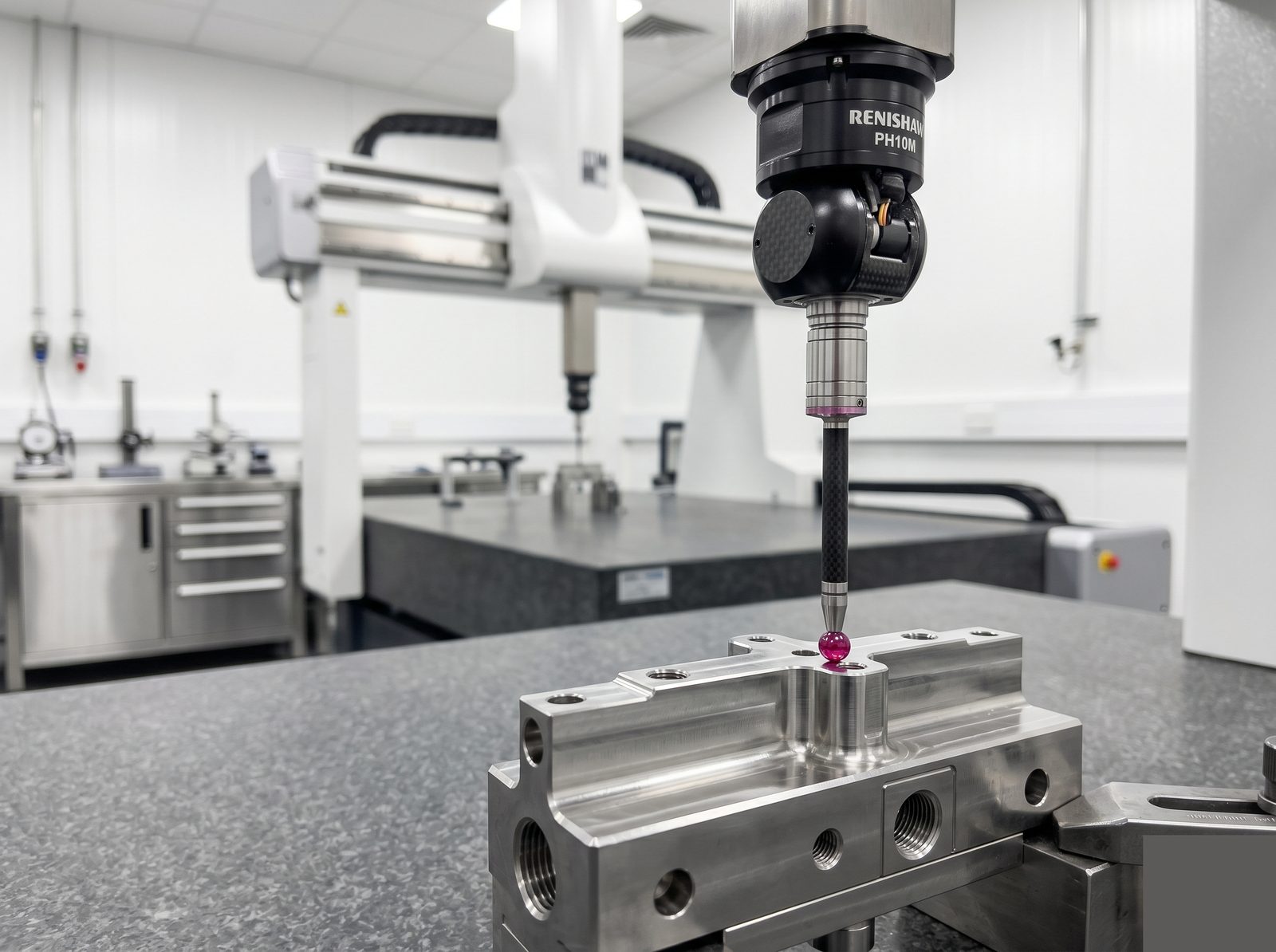
Starting from an existing drawing or model, our engineers review for cost, lead time, or quality improvements. We simplify geometries, rationalise tolerances, reduce operations, and produce an updated design ready for production.
Commonly used when
Scrap rates are high, the design was inherited, or the part is moving from prototype to volume manufacturing
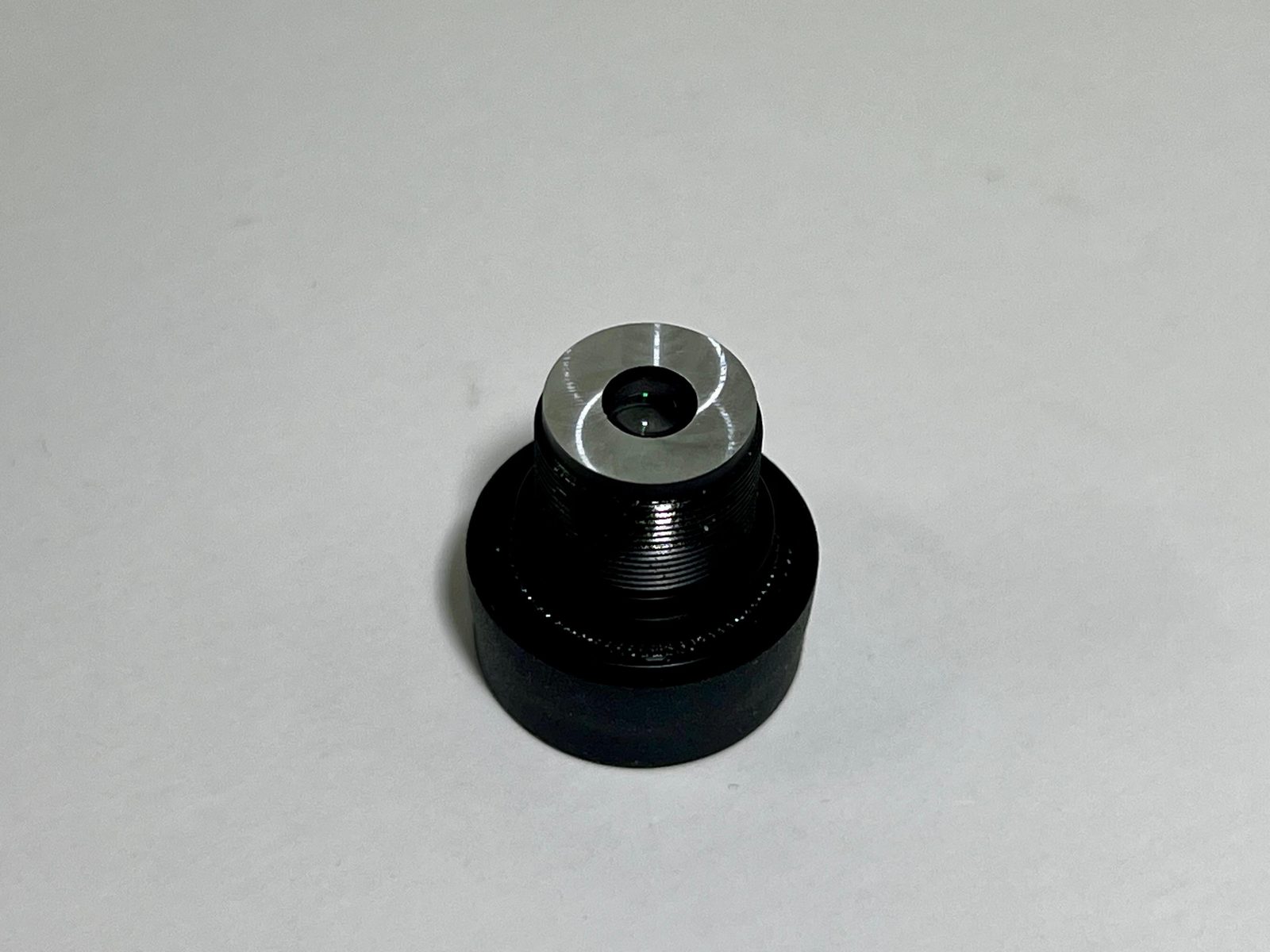
Starting from a part in an obsolete, unavailable, or inappropriate material, our engineers identify a suitable substitute, review how design constraints change, and update the drawing accordingly.
Commonly used when
A material is discontinued, cost reduction is needed, or regulatory changes (RoHS, REACH) require a switch
Starting from a DXF, scanned drawing, or PDF, our engineers reconstruct a manufacturing-ready 3D STEP model and clean 2D drawing. GD&T updated to current standards. Output is ready to send to any manufacturer.
Commonly used when
You have only a flat drawing or DXF, a hand sketch with dimensions, or a legacy format with no 3D model
We accept a wide range of starting points. Tell us what you have and our engineers will advise on the right approach.
3D Formats In
STEP / IGES
Also Parasolid, SAT, DXF 3D. Partial or incomplete models accepted. We'll reconstruct what's missing.
2D / Drawing Formats
DXF / DWG / PDF
Also scanned drawings, hand sketches with dimensions, and legacy format files. We digitise and reconstruct.
Physical Sample
Accepted
Ship us a sample and we'll measure and model it. Critical feature accuracy typically ±0.05–0.1mm.
Output: 3D Model
STEP / IGES
Clean, parametric model ready for machining or further CAD work. Other formats on request.
Output: 2D Drawing
DWG / PDF
Fully dimensioned, GD&T annotated, in your preferred drawing standard (ISO, ASME Y14.5).
Assessment Lead Time
5–10 days
Typical for initial assessment and proposed approach. Complex assemblies reviewed with you before committing.
Most re-engineering requests are solvable, even when the starting point is minimal. Tell us what you have and what you need, and our engineers will let you know what's possible.
Deliverables
Standard deliverables on every engagement. Additional documentation available on request.
Native geometry, not a converted mesh. Editable in your CAD tool, ready to send to any manufacturer.
Complete with tolerances, GD&T, material callout, and surface finish. ISO or ASME Y14.5, or your own drawing block.
For optimisation and material substitution: what changed, why, and the effect on function, cost, or lead time. You approve before manufacturing starts.
If we manufacture: Certificate of Conformance, dimensional inspection report, and MTRs on request. Full design files + parts in one handover pack.
Send whatever you have: physical sample, PDF drawing, DXF, partial STEP, or just a description of the problem. Include the context: what does the part do, why is re-engineering needed, and what outcome you need.
Our engineers review your starting point, confirm feasibility, and propose a scoped approach. We tell you what we can reconstruct, what we'd recommend changing, and what the deliverables will be. No commitment to manufacture at this stage.
Fixed-price quote covering engineering + manufacturing (if required). Confirm scope, deliverable format, drawing standard, and any specific constraints before work begins.
Engineering work proceeds: reverse engineer, redesign, or substitute as scoped. You receive the model and drawing for review before manufacturing begins. Changes noted in the DFM report are approved by you.
Parts manufactured from the approved re-engineered design. Certificate of Conformance and inspection report on every order. You receive full design files + manufactured parts in one handover pack.
Re-engineering is the process of reconstructing a part's design from a physical sample, obsolete drawing, or incomplete data, then optionally optimising it for modern manufacturing, better materials, or improved performance. You need it when: the original manufacturer is no longer available, the original drawing is missing or in a legacy format, you want to make the part cheaper or better, or you're transitioning from a custom part to a standard manufactured component.
Yes. For parts without drawings, we can reconstruct a 3D model from a physical sample using dimensional inspection and, where needed, coordinate measurement. The output is a manufacturing-ready STEP model and updated 2D drawing. Typical accuracy for reverse-engineered models is ±0.05–0.1mm on critical features, depending on the original part condition and geometry.
We accept STEP, IGES, DXF, DWG, Parasolid, and PDF drawings. We also work from physical samples, scanned images of old drawings, and photographs with dimensional callouts. Our output is always a clean STEP model with a dimensioned 2D drawing in your preferred format.
Yes. DFM-led redesign is one of the most common re-engineering requests. We review the original design for features that add cost without adding function (overly tight tolerances, unnecessary undercuts, multi-axis features that could be simplified) and propose a revised design that achieves the same intent at lower cost or shorter lead time. We'll send you the proposed changes for review before committing to the redesign.
Yes. Common reasons for material substitution include: replacing an obsolete alloy, switching from expensive to more available materials, improving corrosion or wear resistance, or reducing weight. We review the original design intent, identify constraints on the new material, and update the drawing and model accordingly. We'll flag any design changes needed to suit the new material.
Standard deliverables include a clean STEP/IGES 3D model, a fully dimensioned 2D drawing with GD&T, a DFM report noting any changes made and the rationale, and a Certificate of Conformance for the manufactured parts. Material Test Reports and inspection reports are available on request. All files are delivered in your preferred format.
Tell our engineers what you have and what outcome you need. We'll assess feasibility and propose a scoped approach. No commitment to manufacture required.
Assessment within 5–10 days · No commitment to manufacture · Full documentation on every order

